Victorian Fashion and Daily Life in Blyth: How People Really Lived
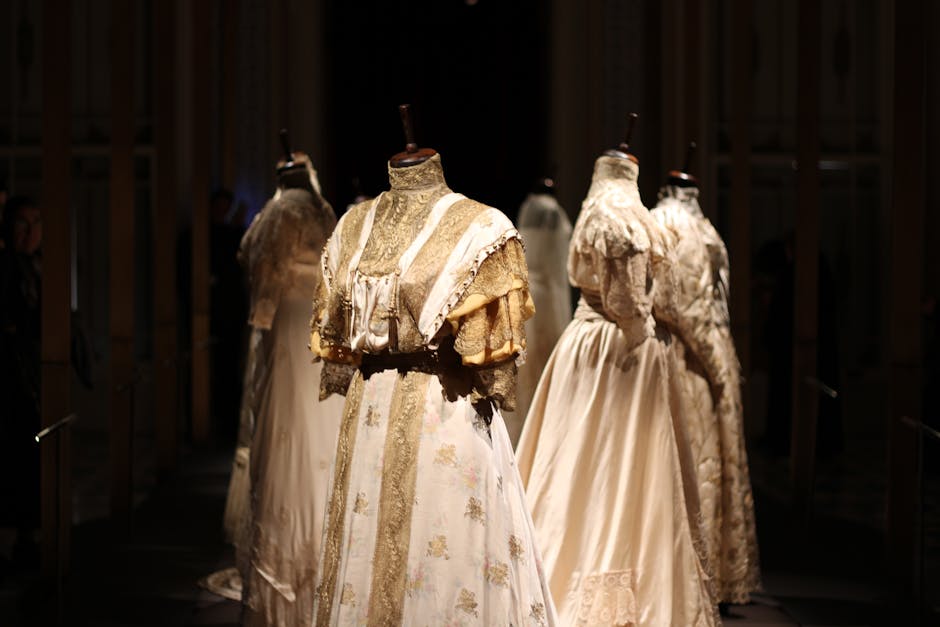
While we often think of Victorian fashion in terms of elaborate ball gowns and formal wear, daily life in industrial Blyth was far more pragmatic. Understanding how people actually dressed and lived provides fascinating insights into the town's social structure.
For working-class residents - the majority of Blyth's population - practicality governed clothing choices. Men wore sturdy cotton or woollen shirts, waistcoats, and trousers made to withstand industrial work. Protective clothing was minimal by modern standards; workers wore caps for warmth and basic head protection. Women wore long skirts and aprons, the latter protecting their clothing during household work and often doubling as a practical pocket for carrying items.
Children worked from young ages, often in mines or factories. Their clothing was simply smaller versions of adult wear, worn until outgrown then passed to younger siblings. Shoes were expensive luxuries; many children went barefoot in warmer months.
The middle classes - managers, merchants, and professionals - adopted more formal dress standards. Men wore three-piece suits with waistcoats, whilst women wore the iconic Victorian silhouette with corsets creating the distinctive S-bend shape. These clothes signalled respectability and social status, and changing fashion regularly was both a sign of wealth and a source of anxiety about maintaining appearances.
Daily routines differed dramatically by class. Working families rose early for factory or shipyard work, often before dawn. Breakfast was typically bread with tea or weak beer. Women managed households with minimal technology - no electricity, no running water in most homes, no washing machines. Laundry day was exhausting, involving heating water on fires and scrubbing clothes by hand.
Meals were simple but important. Bread formed the foundation of diet, supplemented with vegetables, occasional meat, and dairy. Sunday dinner was the special meal, often featuring meat if the family could afford it. Food preparation occurred entirely without modern conveniences, over fires that also heated homes.
Leisure time was limited and class-dependent. Working-class entertainment included pub visits, street games for children, and occasional outings. Middle-class leisure involved calling on friends, attending church, and for women, increasingly, shopping and reading. Public entertainment like music halls and later cinema provided affordable escape.
Health and hygiene challenges were severe. No antibiotics existed. Infectious diseases spread rapidly through crowded residential areas. Infant mortality was tragically high. Dental care was painful and often meant extraction. Life expectancy for working-class residents was significantly lower than today.
Religion structured daily life more than we might expect. Church attendance was social obligation as much as spiritual practice. Temperance movements, though controversial, influenced many families. Sunday was strictly observed as a rest day.
Despite hardships, communities were close-knit. Extended families often lived near each other. Neighbours helped during illness or crisis. Shared experience of industrial life created bonds that sustained people through difficult times. Understanding these human dimensions brings Victorian Blyth vividly to life.