Understanding Victorian Architecture: Key Features of Blyth's Historic Buildings
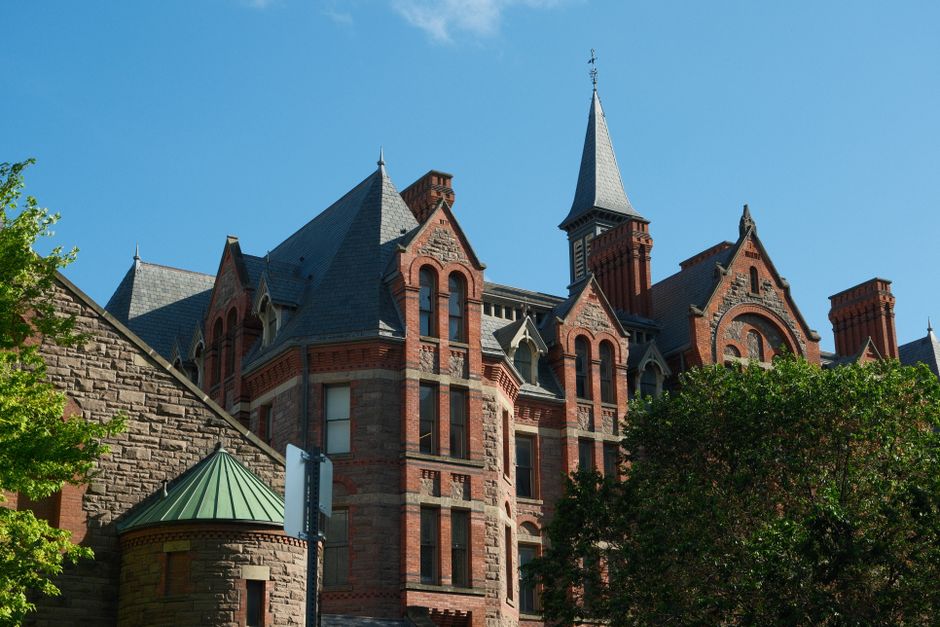
Blyth's Victorian architecture tells the story of industrial prosperity and social ambition. If you're exploring the town's historic buildings, understanding their key features will deepen your appreciation of this fascinating period.
The Victorian era in Blyth, roughly 1837-1901, saw dramatic transformation. The town developed from a small coastal settlement into a significant industrial hub, and its buildings reflect this growth. Most Victorian structures in Blyth are constructed from red or blonde brick, a material chosen for both durability and local availability. You'll notice these bricks create distinctive warm tones, particularly visible when sunlight catches the building facades along the main streets.
Characteristic features include:
- Sash windows with multiple panes, often arranged in a 6-over-6 or 8-over-8 pattern
- Ornamental cornicing and decorative plasterwork along rooflines
- Arched doorways and windows, reflecting classical influences
- Symmetrical facades that demonstrate the era's preference for order and proportion
- Chimneys - often multiple and decoratively detailed
The industrial heritage is equally important. Blyth's shipyards, collieries, and engineering works created distinctive industrial architecture. Look for robust warehouse buildings with large windows designed to flood workspaces with natural light, and sturdy construction methods that prioritised function alongside form.
Residential areas showcase a hierarchy of Victorian housing. Grand villas occupied by merchants and professionals feature elaborate detailing, while terraced houses for workers display simpler but still dignified design. These terraces typically have small front yards and distinctive door surrounds that add character to entire streets.
Public buildings demonstrate Victorian confidence and civic pride. Churches, town halls, and schools were designed to impress, featuring turrets, towers, and extensive decorative elements. These buildings anchored communities and their prominence in the streetscape reflected their social importance.
One often-overlooked feature is the craftsmanship visible in details: hand-laid brickwork with carefully considered mortar joints, individually crafted stone lintels, and plasterwork that required genuine skill. Walking slowly through Blyth's Victorian streets reveals these details at every level.
Modern visitors benefit from ongoing conservation efforts. Many Victorian buildings have been sensitively restored, maintaining period features whilst adapting interiors for contemporary use. This balance between preservation and practicality ensures these buildings remain living parts of the community rather than mere museum pieces.
Whether you're a local resident or visiting Blyth, taking time to observe these architectural details enriches your understanding of the town's character and heritage. The Victorian era literally shaped the place where you live or visit.