The Industrial Heritage of Victorian Blyth: Shipyards and Beyond
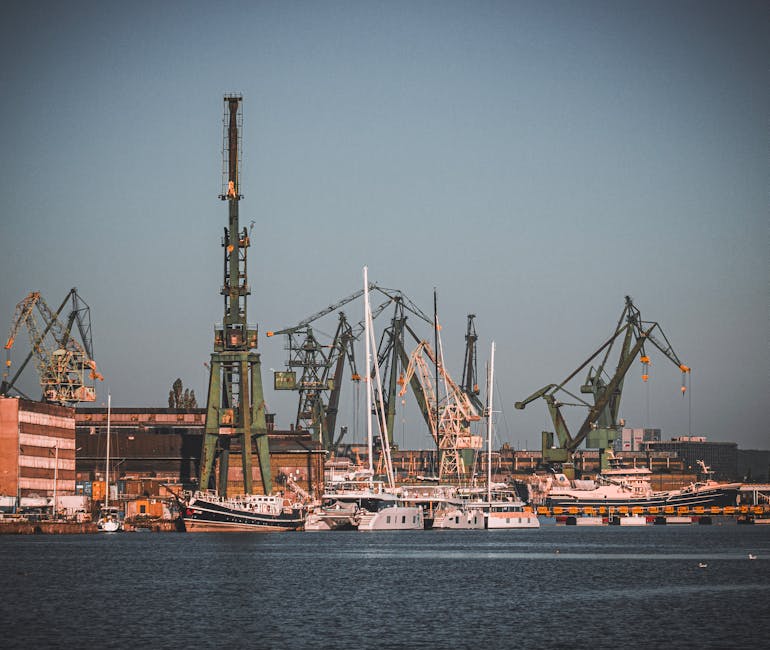
Victorian Blyth transformed from a quiet coastal village into one of Britain's most significant industrial towns. This remarkable change occurred within just a few decades, driven by entrepreneurial vision and geographical advantage.
The turning point came in the 1850s when collieries opened inland, requiring transport to the coast. Blyth's natural harbour provided the perfect solution, and the town's industrial destiny was sealed. What followed was explosive growth in shipbuilding, coal export, and related industries.
Shipbuilding dominated Victorian Blyth. The Blyth shipyards became renowned throughout Britain and internationally. Ships built here were exported worldwide, and the yards employed thousands of skilled workers. The famous Blyth Shipbuilders produced vessels ranging from merchant ships to naval craft, earning the town a reputation for quality and innovation.
The scale was impressive. At peak periods, multiple ships would be under construction simultaneously. The distinctive sounds and sights of shipbuilding - the clang of hammers, clouds of steam, towering wooden frames - became the sensory backdrop to daily life for many residents.
Beyond shipbuilding, Blyth developed supporting industries:
- Coal mining and export - the fundamental driver of growth
- Engineering works - manufacturing equipment and machinery
- Rope and sail-making - essential supplies for ships
- Iron foundries - producing metal components
- Dock facilities - expanding to handle increasing cargo
This industrial concentration created both prosperity and challenges. Wealth accumulated rapidly for owners and investors, enabling the construction of grand Victorian mansions and civic buildings. However, working conditions were often harsh, and industrial towns faced overcrowding, pollution, and poor sanitation.
The Victorian work ethic and industrial pride shaped Blyth's character profoundly. Workers took pride in their skills and craftsmanship. Shipwrights, engineers, and miners formed strong communities bound by shared experience and mutual dependence.
Today, remnants of this industrial heritage remain visible. Historic dock structures, converted industrial buildings, and the River Blyth itself tell these stories. Some former warehouses and factories have been repurposed as apartments, galleries, and community spaces, keeping industrial heritage alive whilst adapting to modern needs.
Understanding Victorian Blyth's industrial past helps explain why the town developed its particular character and layout. Streets, housing patterns, and community institutions all reflect the demands and rhythms of industrial life. Visiting Blyth with this knowledge adds genuine depth to your experience of the town.